Sky News · 10 March 2026
Fiona Garrett: a mother's fight for answers
Fiona speaks about Joshua, the family's fight for answers and why stronger protection from preventable falls is urgently needed.
 No More FallsJosh's LegacyWhite Paper v1.5
A family-led campaign for safer homes
No More Falls — Josh's Legacy is campaigning for a continuing legal duty requiring those responsible for residential fall-protection structures to demonstrate, through evidence rather than assumption, that they remain capable of protecting life.

ProportionateAction matched to risk
CompetentThe right expertise
Evidence-ledSafety demonstrated
ContinuousThroughout service life
The inspiration behind The Joshua Test
“Every piece of legislation intended to save lives begins with a life that could not be saved.”
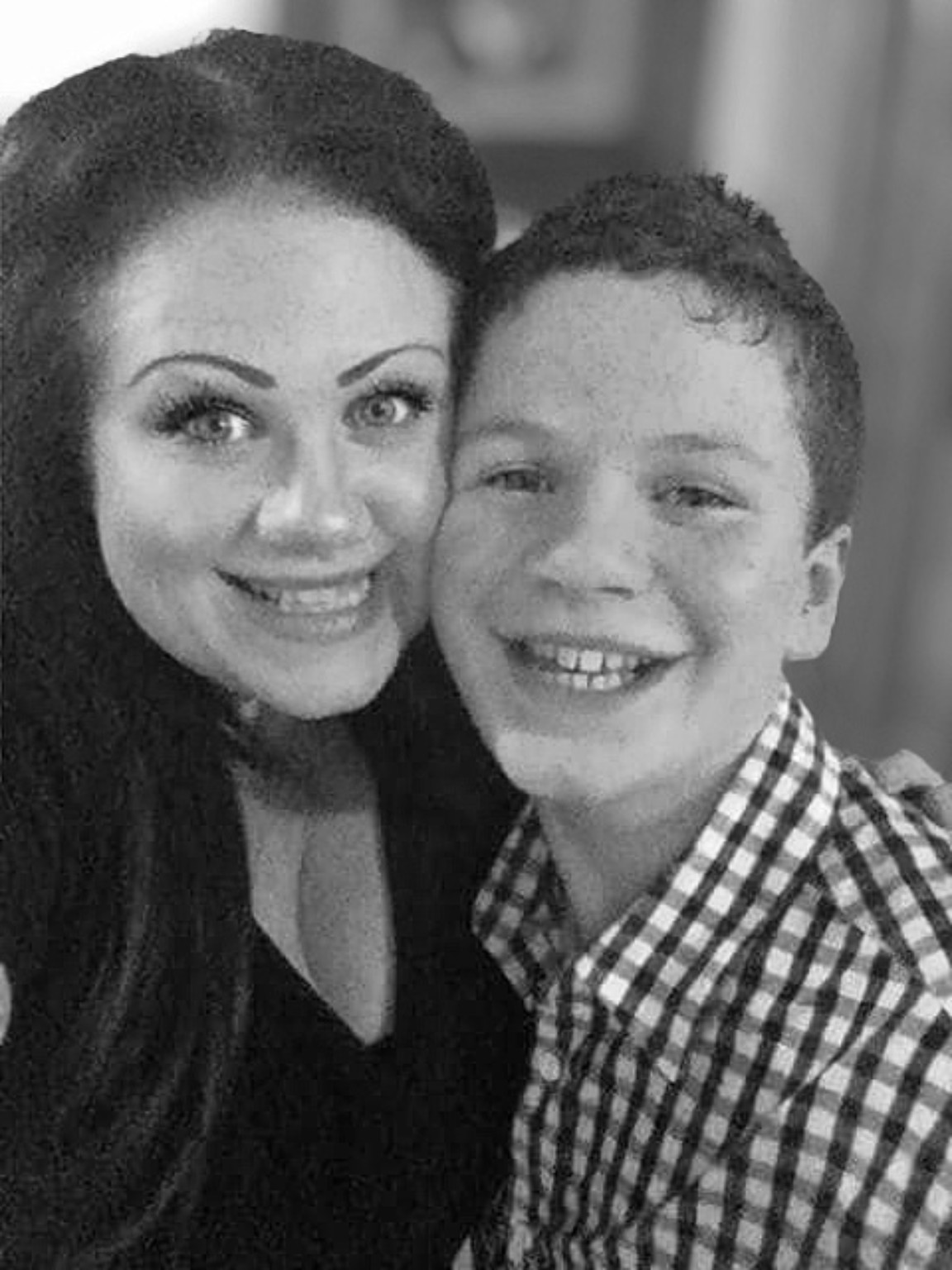

Joshua Conor Robbins was a much-loved son, brother, stepson, grandson, nephew and friend.
Joshua loved living in London and embraced everything the city had to offer. He enjoyed gaming and spent countless hours talking with friends around the world, forming connections across countries and cultures.
Those who knew Joshua remember the extraordinary kindness he showed in everyday life. He believed in good manners, treated people with respect and instinctively looked out for others. He would stop and speak with people experiencing homelessness, offering conversation, encouragement, food or money because he believed every person deserved dignity.
He loved animals, found peace in nature and photographed London's sunrises and sunsets. He was a devoted big brother to Matt and Órlagh, with a gentle sense of humour and an easy warmth.
On 29 January 2026, while waiting for a food delivery outside his home, Joshua leaned on a communal guardrail. The barrier gave way and he fell approximately five storeys. Emergency services did everything they could, but his injuries were unsurvivable.
Joshua was using the walkway in the ordinary way it was intended to be used. The purpose of a safety barrier is to prevent a fall. On that evening, the barrier he relied upon did not perform that function.
The full circumstances are for the appropriate legal and investigative processes. The campaign and White Paper do not seek to pre-empt their findings.
Joshua's legacy in film
Watch Joshua's story, a report examining residential barrier safety, and Fiona's full Sky News interview about her fight for answers.
All three videos include their original sound.
Sky News · 10 March 2026
Fiona speaks about Joshua, the family's fight for answers and why stronger protection from preventable falls is urgently needed.
Remembering Joshua
A family campaign video remembering Joshua and showing why his life must lead to lasting change.
News report
A report examining the hidden risks in residential guardrails and the need for competent, evidence-led checks.
The Joshua Test
The draft White Paper proposes a proportionate system of lifecycle assurance — not one physical test or one inspection method for every structure.
“If this barrier failed tomorrow, could those responsible demonstrate, with documented evidence, that they had taken reasonable, competent and proportionate steps to ensure that it remained structurally capable of preventing a fatal fall?”
If yes, the Joshua Test has been met.
If no, the law should require prompt investigation, appropriate remedial action and, where necessary, regulatory intervention.
The proposed Joshua Duty
Every person responsible for a residential fall-protection structure shall be under a continuing duty to demonstrate that the structure remains capable of preventing the fall it was installed to prevent.
Eight linked functions — not a single physical test
Identify the asset
Understand risk
Obtain competent evidence
Resolve material uncertainty
Control significant risk
Confirm significant work
Preserve the evidence
Reassess and learn
The framework would apply continuously — not only at construction, after a complaint, when damage becomes visible or after an incident.
The Joshua Test · White Paper v1.5
The central principle
A life-safety structure should not be presumed safe solely because it remains standing, looks intact or complied when it was first built.
Make your voice heard
Ask them to read the draft Joshua Test White Paper and consider a continuing legal duty requiring residential fall-protection structures to be demonstrably safe throughout their service life.
Minister of State (Minister for Housing and Planning)
Minister of State at the Ministry of Housing, Communities and Local Government, with responsibility for housing quality, social housing and planning.
matthew.pennycook.mp@parliament.ukSecretary of State for Housing, Communities and Local Government
Secretary of State with strategic oversight of housing and planning, building safety and remediation, local government and communities.
angela.rayner.mp@parliament.ukPublic parliamentary email addresses and government roles checked on 16 August 2026.
Show your support
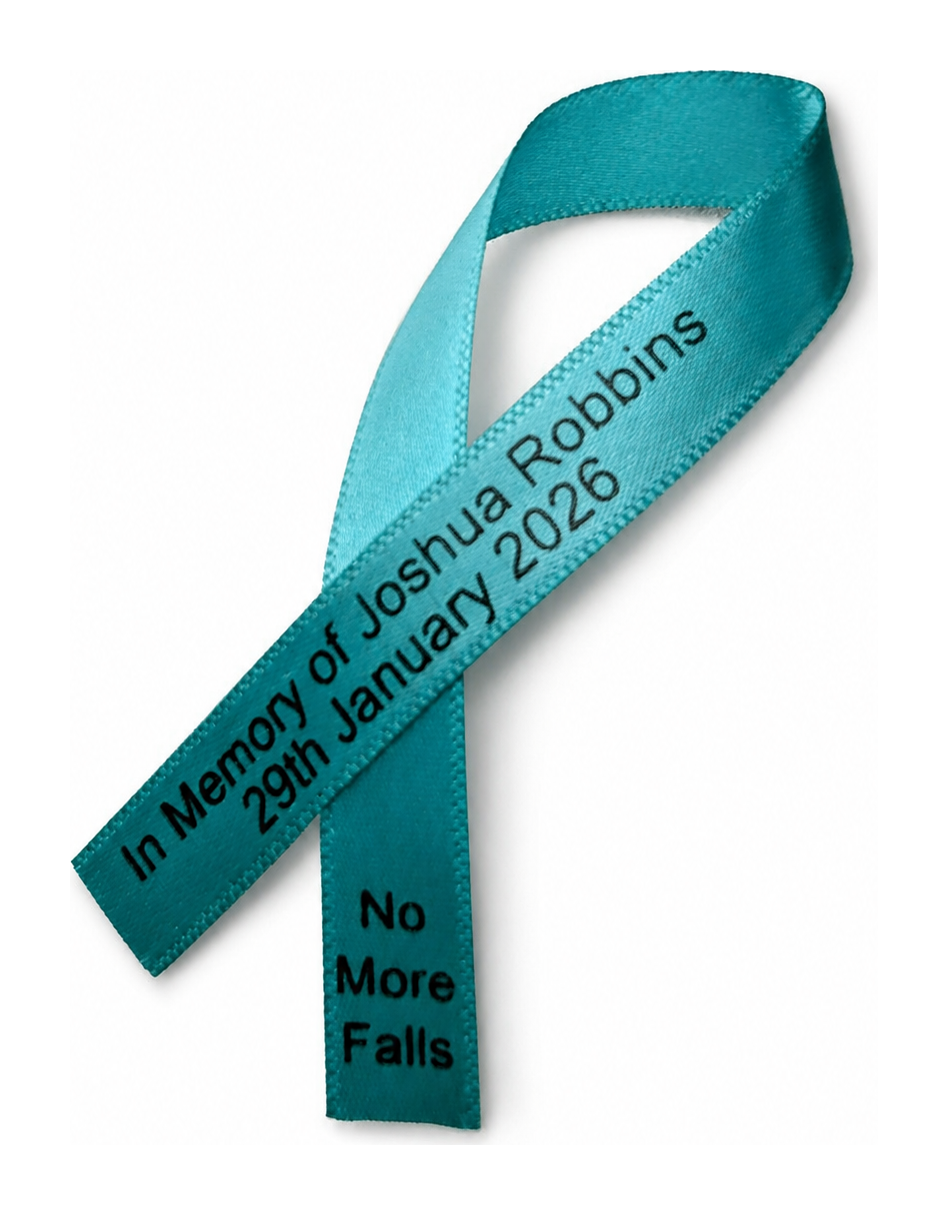
Wear Joshua's colours, help carry his legacy and support the family-led campaign for safer residential barriers and stronger accountability.
Buy a memorial ribbon Opens the No More Falls GoFundMe page in a new tab.Stand with the campaign